
Phrasebook
![en]() Beverages »
Beverages »
![fa]() نوشیدنیها
نوشیدنیها
 Beverages »
 نوشیدنیها
-
 EN
English (US)
EN
English (US)
-
 AR
Arabic
AR
Arabic
-
 DE
German
DE
German
-
EN
English (US)
-
EN
English (UK)
-
 ES
Spanish
ES
Spanish
-
 FR
French
FR
French
-
 IT
Italian
IT
Italian
-
 JA
Japanese
JA
Japanese
-
 PT
Portuguese (PT)
PT
Portuguese (PT)
-
 PT
Portuguese (BR)
PT
Portuguese (BR)
-
 ZH
Chinese (Simplified)
ZH
Chinese (Simplified)
-
 AD
Adyghe
AD
Adyghe
-
 AF
Afrikaans
AF
Afrikaans
-
 AM
Amharic
AM
Amharic
-
 BE
Belarusian
BE
Belarusian
-
 BG
Bulgarian
BG
Bulgarian
-
 BN
Bengali
BN
Bengali
-
 BS
Bosnian
BS
Bosnian
-
 CA
Catalan
CA
Catalan
-
 CS
Czech
CS
Czech
-
 DA
Danish
DA
Danish
-
 EL
Greek
EL
Greek
-
 EO
Esperanto
EO
Esperanto
-
 ET
Estonian
ET
Estonian
-
 FI
Finnish
FI
Finnish
-
 HE
Hebrew
HE
Hebrew
-
 HI
Hindi
HI
Hindi
-
 HR
Croatian
HR
Croatian
-
 HU
Hungarian
HU
Hungarian
-
 HY
Armenian
HY
Armenian
-
 ID
Indonesian
ID
Indonesian
-
 KA
Georgian
KA
Georgian
-
 KK
Kazakh
KK
Kazakh
-
 KN
Kannada
KN
Kannada
-
 KO
Korean
KO
Korean
-
 KU
Kurdish (Kurmanji)
KU
Kurdish (Kurmanji)
-
 KY
Kyrgyz
KY
Kyrgyz
-
 LT
Lithuanian
LT
Lithuanian
-
 LV
Latvian
LV
Latvian
-
 MK
Macedonian
MK
Macedonian
-
 MR
Marathi
MR
Marathi
-
 NL
Dutch
NL
Dutch
-
 NN
Nynorsk
NN
Nynorsk
-
 NO
Norwegian
NO
Norwegian
-
 PA
Punjabi
PA
Punjabi
-
 PL
Polish
PL
Polish
-
 RO
Romanian
RO
Romanian
-
 RU
Russian
RU
Russian
-
 SK
Slovak
SK
Slovak
-
 SL
Slovenian
SL
Slovenian
-
 SQ
Albanian
SQ
Albanian
-
 SR
Serbian
SR
Serbian
-
 SV
Swedish
SV
Swedish
-
 TA
Tamil
TA
Tamil
-
 TE
Telugu
TE
Telugu
-
 TH
Thai
TH
Thai
-
 TI
Tigrinya
TI
Tigrinya
-
 TL
Tagalog
TL
Tagalog
-
 TR
Turkish
TR
Turkish
-
 UK
Ukrainian
UK
Ukrainian
-
 UR
Urdu
UR
Urdu
-
 VI
Vietnamese
VI
Vietnamese
-
-
 FA
Persian
FA
Persian
-
AR
Arabic
-
DE
German
-
ES
Spanish
-
FR
French
-
IT
Italian
-
JA
Japanese
-
PT
Portuguese (PT)
-
PT
Portuguese (BR)
-
ZH
Chinese (Simplified)
-
AD
Adyghe
-
AF
Afrikaans
-
AM
Amharic
-
BE
Belarusian
-
BG
Bulgarian
-
BN
Bengali
-
BS
Bosnian
-
CA
Catalan
-
CS
Czech
-
DA
Danish
-
EL
Greek
-
EO
Esperanto
-
ET
Estonian
-
FA
Persian
-
FI
Finnish
-
HE
Hebrew
-
HI
Hindi
-
HR
Croatian
-
HU
Hungarian
-
HY
Armenian
-
ID
Indonesian
-
KA
Georgian
-
KK
Kazakh
-
KN
Kannada
-
KO
Korean
-
KU
Kurdish (Kurmanji)
-
KY
Kyrgyz
-
LT
Lithuanian
-
LV
Latvian
-
MK
Macedonian
-
MR
Marathi
-
NL
Dutch
-
NN
Nynorsk
-
NO
Norwegian
-
PA
Punjabi
-
PL
Polish
-
RO
Romanian
-
RU
Russian
-
SK
Slovak
-
SL
Slovenian
-
SQ
Albanian
-
SR
Serbian
-
SV
Swedish
-
TA
Tamil
-
TE
Telugu
-
TH
Thai
-
TI
Tigrinya
-
TL
Tagalog
-
TR
Turkish
-
UK
Ukrainian
-
UR
Urdu
-
VI
Vietnamese
-
12 [twelve]
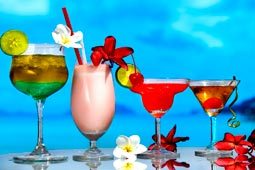
Beverages


Choose how you want to see the translation:
Signs as language
People created languages in order to communicate. Even the deaf or hard of hearing have their own language. It's sign language, the basic language of all hearing impaired people. It is made up of combined symbols. This makes it a visual language, or ‘visible’. So is sign language understood on an international level? No, even signing has different national languages. Every country has its own sign language. And it is influenced by the culture of the country. Because language always evolves from culture. This is also true with languages that aren't spoken. There is, however, an international sign language. But its signs are somewhat more complicated. Nevertheless, national sign languages do resemble one another. Many signs are iconic. They are oriented towards the form of the objects they represent. The most widely used sign language is American Sign Language. Sign languages are recognized as fully-fledged languages. They have their own grammar. But it is different from the grammar of spoken languages. As a result, sign language can't be translated word for word. There are, however, sign language interpreters. Information is simultaneously communicated with sign language. That means that a single sign can express a whole sentence. There are also dialects in sign language. Regional particularities have their own signs. And every sign language has its own intonation. It's true for signs too: Our accent reveals our origin!
Did you know?
Estonian is counted among the Finno-Ugrian languages. It is thereby related to Finnish and Hungarian. However, parallels to Hungarian are only slightly noticeable. Many think that Estonian is similar to Latvian or Lithuanian. That is completely false, however. Both of those languages belong to a completely different language family. Estonian does not have any grammatical genders. There is no differentiation between feminine and masculine. Instead there are 14 different cases. The orthography is not very difficult. It is determined by the pronunciation. This should definitely be practiced with a native speaker. If you want to learn Estonian, you need discipline and a little patience. Estonians are happy to overlook little mistakes made by foreigners. They are excited to meet anyone who is interested in their language!
Estonian is counted among the Finno-Ugrian languages. It is thereby related to Finnish and Hungarian. However, parallels to Hungarian are only slightly noticeable. Many think that Estonian is similar to Latvian or Lithuanian. That is completely false, however. Both of those languages belong to a completely different language family. Estonian does not have any grammatical genders. There is no differentiation between feminine and masculine. Instead there are 14 different cases. The orthography is not very difficult. It is determined by the pronunciation. This should definitely be practiced with a native speaker. If you want to learn Estonian, you need discipline and a little patience. Estonians are happy to overlook little mistakes made by foreigners. They are excited to meet anyone who is interested in their language!