
Phrasebook

en Possessive pronouns 2   »   kn ಸ್ವಾಮ್ಯಸೂಚಕ ಸರ್ವನಾಮಗಳು ೨

67 [sixty-seven]

Possessive pronouns 2
Possessive pronouns 2

೬೭ [ಅರವತ್ತೇಳು]

67 [Aravattēḷu]

ಸ್ವಾಮ್ಯಸೂಚಕ ಸರ್ವನಾಮಗಳು ೨

svāmyasūcaka sarvanāmagaḷu -2.

Choose how you want to see the translation:   
English (US) Kannada Play More
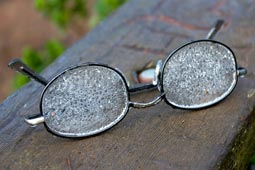
the glasses ಕನ----. ಕ_____ ಕ-್-ಡ-. ------- ಕನ್ನಡಕ. 0
Ka---ḍ-k-. K_________ K-n-a-a-a- ---------- Kannaḍaka.
He has forgotten his glasses. ಅವ-- -ನ್--ಕ--ನಡ----ನ- -ರೆ---್ದ--ೆ. ಅ__ ತ__ ಕ_______ ಮ______ ಅ-ನ- ತ-್- ಕ-್-ಡ-ವ-್-ು ಮ-ೆ-ಿ-್-ಾ-ೆ- ---------------------------------- ಅವನು ತನ್ನ ಕನ್ನಡಕವನ್ನು ಮರೆತಿದ್ದಾನೆ. 0
Avan- t-n-- -a----a-av--nu-----ti-d-ne. A____ t____ k_____________ m___________ A-a-u t-n-a k-n-a-a-a-a-n- m-r-t-d-ā-e- --------------------------------------- Avanu tanna kannaḍakavannu maretiddāne.
Where has he left his glasses? ಅವನ ಕ---------ಲ-ದ-? ಅ__ ಕ____ ಎ____ ಅ-ನ ಕ-್-ಡ- ಎ-್-ಿ-ೆ- ------------------- ಅವನ ಕನ್ನಡಕ ಎಲ್ಲಿದೆ? 0
Av-n- k-n----ka--l-id-? A____ k________ e______ A-a-a k-n-a-a-a e-l-d-? ----------------------- Avana kannaḍaka ellide?
the clock ಗಡ-ಯ-ರ. ಗ____ ಗ-ಿ-ಾ-. ------- ಗಡಿಯಾರ. 0
Gaḍ-y-r-. G________ G-ḍ-y-r-. --------- Gaḍiyāra.
His clock isn’t working. ಅ-- ---ಯಾರ-ಕೆ--ಟಿ-ೆ. ಅ__ ಗ___ ಕೆ____ ಅ-ನ ಗ-ಿ-ಾ- ಕ-ಟ-ಟ-ದ-. -------------------- ಅವನ ಗಡಿಯಾರ ಕೆಟ್ಟಿದೆ. 0
A---a-----y-ra --ṭ-ide. A____ g_______ k_______ A-a-a g-ḍ-y-r- k-ṭ-i-e- ----------------------- Avana gaḍiyāra keṭṭide.
The clock hangs on the wall. ಗಡಿ-------ೆಯ-ಮೇ-ೆ --ೆ. ಗ___ ಗೋ__ ಮೇ_ ಇ__ ಗ-ಿ-ಾ- ಗ-ಡ-ಯ ಮ-ಲ- ಇ-ೆ- ---------------------- ಗಡಿಯಾರ ಗೋಡೆಯ ಮೇಲೆ ಇದೆ. 0
Gaḍiyā-a g--e-a-m-le-i--. G_______ g_____ m___ i___ G-ḍ-y-r- g-ḍ-y- m-l- i-e- ------------------------- Gaḍiyāra gōḍeya mēle ide.
the passport ಪಾಸ--ಪ--್ಟ್ ಪಾ_ ಪೋ__ ಪ-ಸ- ಪ-ರ-ಟ- ----------- ಪಾಸ್ ಪೋರ್ಟ್ 0
P-- ---ṭ P__ p___ P-s p-r- -------- Pās pōrṭ
He has lost his passport. ಅ--ು ತನ-ನ -ಾ-್-ಪೋರ್ಟ್---್ನ--ಕ-ೆ----ೊಂ-ಿದ--ಾ-ೆ. ಅ__ ತ__ ಪಾ_ ಪೋ__ ಅ__ ಕ__ ಕೊಂ_____ ಅ-ನ- ತ-್- ಪ-ಸ- ಪ-ರ-ಟ- ಅ-್-ು ಕ-ೆ-ು ಕ-ಂ-ಿ-್-ಾ-ೆ- ---------------------------------------------- ಅವನು ತನ್ನ ಪಾಸ್ ಪೋರ್ಟ್ ಅನ್ನು ಕಳೆದು ಕೊಂಡಿದ್ದಾನೆ. 0
a-a-- t-nn---ā---ō-ṭ an-u-ka-e----o--idd--e. a____ t____ p__ p___ a___ k_____ k__________ a-a-u t-n-a p-s p-r- a-n- k-ḷ-d- k-ṇ-i-d-n-. -------------------------------------------- avanu tanna pās pōrṭ annu kaḷedu koṇḍiddāne.
Where is his passport then? ಅವ--ಪ-ಸ- -ೋ---್-ಎಲ-ಲ--ೆ? ಅ__ ಪಾ_ ಪೋ__ ಎ____ ಅ-ನ ಪ-ಸ- ಪ-ರ-ಟ- ಎ-್-ಿ-ೆ- ------------------------ ಅವನ ಪಾಸ್ ಪೋರ್ಟ್ ಎಲ್ಲಿದೆ? 0
Avan----s-pōr- elli--? A____ p__ p___ e______ A-a-a p-s p-r- e-l-d-? ---------------------- Avana pās pōrṭ ellide?
they – their ಅವ-ು-- ಅವರ ಅ__ – ಅ__ ಅ-ರ- – ಅ-ರ ---------- ಅವರು – ಅವರ 0
A-a-u-- a---a A____ – a____ A-a-u – a-a-a ------------- Avaru – avara
The children cannot find their parents. ಆ ---ಕಳಿ-ೆ ಅ-----ಮ-ಮ--ತ--ೆ,--ಾ--ಯ--ು ಸಿಕ----್-. ಆ ಮ____ ಅ__ (ತ___ ತಂ__ ತಾ____ ಸಿ_____ ಆ ಮ-್-ಳ-ಗ- ಅ-ರ (-ಮ-ಮ- ತ-ದ-, ತ-ಯ-ಯ-ರ- ಸ-ಕ-ಕ-ಲ-ಲ- ----------------------------------------------- ಆ ಮಕ್ಕಳಿಗೆ ಅವರ (ತಮ್ಮ) ತಂದೆ, ತಾಯಿಯವರು ಸಿಕ್ಕಿಲ್ಲ. 0
ā ---kaḷige --a-a---am-ma- tande, t--iy-v----si-k----. ā m________ a____ (t______ t_____ t_________ s________ ā m-k-a-i-e a-a-a (-a-'-a- t-n-e- t-y-y-v-r- s-k-i-l-. ------------------------------------------------------ ā makkaḷige avara (tam'ma) tande, tāyiyavaru sikkilla.
Here come their parents! ಓ- -ಲ-ಲಿ-ಅ-ರ--ಂದೆ,--ಾ--ಯ--ು--ರ--್ತ-ದ್--ರೆ. ಓ_ ಅ__ ಅ__ ತಂ__ ತಾ____ ಬ_______ ಓ- ಅ-್-ಿ ಅ-ರ ತ-ದ-, ತ-ಯ-ಯ-ರ- ಬ-ು-್-ಿ-್-ಾ-ೆ- ------------------------------------------ ಓ! ಅಲ್ಲಿ ಅವರ ತಂದೆ, ತಾಯಿಯವರು ಬರುತ್ತಿದ್ದಾರೆ. 0
Ō!-A-----v-r- ---d-,-t-yiyava-----r---iddāre. Ō_ A___ a____ t_____ t_________ b____________ Ō- A-l- a-a-a t-n-e- t-y-y-v-r- b-r-t-i-d-r-. --------------------------------------------- Ō! Alli avara tande, tāyiyavaru baruttiddāre.
you – your ನೀ-- --ನಿಮ--. ನೀ_ - ನಿ___ ನ-ವ- - ನ-ಮ-ಮ- ------------- ನೀವು - ನಿಮ್ಮ. 0
N------nim'm-. N___ - n______ N-v- - n-m-m-. -------------- Nīvu - nim'ma.
How was your trip, Mr. Miller? ನ-------ರಯ----ೇಗ---ತು, (ಶ-ರೀಮ-ನ್) ---್ಲರ- ಅವರೆ? ನಿ__ ಪ್___ ಹೇ____ (ಶ್____ ಮಿ___ ಅ___ ನ-ಮ-ಮ ಪ-ರ-ಾ- ಹ-ಗ-ತ-ತ-, (-್-ೀ-ಾ-್- ಮ-ಲ-ಲ-್ ಅ-ರ-? ----------------------------------------------- ನಿಮ್ಮ ಪ್ರಯಾಣ ಹೇಗಿತ್ತು, (ಶ್ರೀಮಾನ್) ಮಿಲ್ಲರ್ ಅವರೆ? 0
N-m'-- -ra-ā-a---g----- ----m----mi--a- --a-e? N_____ p______ h_______ (ś______ m_____ a_____ N-m-m- p-a-ā-a h-g-t-u- (-r-m-n- m-l-a- a-a-e- ---------------------------------------------- Nim'ma prayāṇa hēgittu, (śrīmān) millar avare?
Where is your wife, Mr. Miller? ನ-ಮ-- -ಡ----ಲ--ಿ--ದಾ--, -ಶ-ರೀ-ಾ--)-ಮ-ಲ್-ರ- ಅವರ-? ನಿ__ ಮ__ ಎ______ (ಶ್____ ಮಿ___ ಅ___ ನ-ಮ-ಮ ಮ-ದ- ಎ-್-ಿ-್-ಾ-ೆ- (-್-ೀ-ಾ-್- ಮ-ಲ-ಲ-್ ಅ-ರ-? ------------------------------------------------ ನಿಮ್ಮ ಮಡದಿ ಎಲ್ಲಿದ್ದಾರೆ, (ಶ್ರೀಮಾನ್) ಮಿಲ್ಲರ್ ಅವರೆ? 0
N-m-m- --ḍ--i---l---ā-e- --rī---)--i---- a--r-? N_____ m_____ e_________ (ś______ m_____ a_____ N-m-m- m-ḍ-d- e-l-d-ā-e- (-r-m-n- m-l-a- a-a-e- ----------------------------------------------- Nim'ma maḍadi elliddāre, (śrīmān) millar avare?
you – your ನ--ು-- -----. ನೀ_ - ನಿ___ ನ-ವ- - ನ-ಮ-ಮ- ------------- ನೀವು - ನಿಮ್ಮ. 0
N-v--- n-m-ma. N___ - n______ N-v- - n-m-m-. -------------- Nīvu - nim'ma.
How was your trip, Mrs. Smith? ನ-ಮ್- ಪ----ಣ -ೇ--------ಶ್--ಮ---ಸ್ಮ----ಅವ--? ನಿ__ ಪ್___ ಹೇ____ ಶ್___ ಸ್__ ಅ___ ನ-ಮ-ಮ ಪ-ರ-ಾ- ಹ-ಗ-ತ-ತ-, ಶ-ರ-ಮ-ಿ ಸ-ಮ-ತ- ಅ-ರ-? ------------------------------------------- ನಿಮ್ಮ ಪ್ರಯಾಣ ಹೇಗಿತ್ತು, ಶ್ರೀಮತಿ ಸ್ಮಿತ್ ಅವರೆ? 0
Nim'-a pray-ṇ- --git--, -r--ati sm-t --a-e? N_____ p______ h_______ ś______ s___ a_____ N-m-m- p-a-ā-a h-g-t-u- ś-ī-a-i s-i- a-a-e- ------------------------------------------- Nim'ma prayāṇa hēgittu, śrīmati smit avare?
Where is your husband, Mrs. Smith? ನ--್ಮ----ಾನರು ---ಡ) ಎಲ್ಲಿ--ದಾರೆ-ಶ-----ಿ-ಸ--ಿ-- -ವ-ೆ? ನಿ__ ಯ____ (ಗಂ__ ಎ_____ ಶ್___ ಸ್__ ಅ___ ನ-ಮ-ಮ ಯ-ಮ-ನ-ು (-ಂ-) ಎ-್-ಿ-್-ಾ-ೆ ಶ-ರ-ಮ-ಿ ಸ-ಮ-ತ- ಅ-ರ-? ---------------------------------------------------- ನಿಮ್ಮ ಯಜಮಾನರು (ಗಂಡ) ಎಲ್ಲಿದ್ದಾರೆ ಶ್ರೀಮತಿ ಸ್ಮಿತ್ ಅವರೆ? 0
N-m-m--yaja-ā--r- (gaṇ-a--e-li------ś--m-t- ------vare? N_____ y_________ (g_____ e________ ś______ s___ a_____ N-m-m- y-j-m-n-r- (-a-ḍ-) e-l-d-ā-e ś-ī-a-i s-i- a-a-e- ------------------------------------------------------- Nim'ma yajamānaru (gaṇḍa) elliddāre śrīmati smit avare?

Genetic mutation makes speaking possible

Man is the only living creature on Earth that can speak. This distinguishes him from animals and plants. Of course animals and plants also communicate with each other. However, they do not speak a complex syllable language. But why can man speak? Certain physical features are needed in order to be able to speak. These physical features are only found in humans. However, that does not necessarily mean that man developed them. In evolutionary history, nothing happens without a reason. Somewhere along the line, man began to speak. We do not yet know when exactly that was. But something must have happened that gave man speech. Researchers believe that a genetic mutation was responsible. Anthropologists have compared the genetic material of various living beings. It is well known that a particular gene influences speech. People in which it is damaged have problems with speech. They can't express themselves well and have a hard time understanding words. This gene was examined in people, apes, and mice. It is very similar in humans and chimpanzees. Only two small differences can be identified. But these differences make their presence known in the brain. Together with other genes, they influence certain brain activities. Thus humans can speak, whereas apes cannot. However, the riddle of the human language is not yet solved. For the gene mutation alone is not enough to enable speech. Researchers implanted the human gene variant in mice. It didn't give them the ability to speak… But their squeaks made quite a racket!