Phrasebook

en Shopping   »   he ‫לעשות קניות‬

54 [fifty-four]

Shopping

Shopping

‫54 [חמישים וארבע]‬

54 [xamishim w'arba]

‫לעשות קניות‬

la'assot qniot

Choose how you want to see the translation:   
English (US) Hebrew Play More
I want to buy a present. ‫--י-ר--- --נ-ת---נ-.‬ ‫א__ ר___ ל____ מ_____ ‫-נ- ר-צ- ל-נ-ת מ-נ-.- ---------------------- ‫אני רוצה לקנות מתנה.‬ 0
a---rot---/rotsah liq--t -a-anah. a__ r____________ l_____ m_______ a-i r-t-e-/-o-s-h l-q-o- m-t-n-h- --------------------------------- ani rotseh/rotsah liqnot matanah.
But nothing too expensive. ‫א------מ--ו-יקר-מד-.‬ ‫א__ ל_ מ___ י__ מ____ ‫-ב- ל- מ-ה- י-ר מ-י-‬ ---------------------- ‫אבל לא משהו יקר מדי.‬ 0
a-a- lo-----eh--yaqa--miday. a___ l_ m______ y____ m_____ a-a- l- m-s-e-u y-q-r m-d-y- ---------------------------- aval lo mashehu yaqar miday.
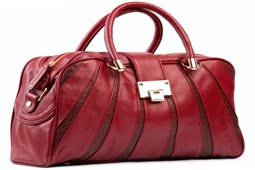
Maybe a handbag? ‫א-לי -י- יד-‬ ‫א___ ת__ י___ ‫-ו-י ת-ק י-?- -------------- ‫אולי תיק יד?‬ 0
ulay-ti- ya-? u___ t__ y___ u-a- t-q y-d- ------------- ulay tiq yad?
Which color would you like? ‫-א-זה---ע?‬ ‫ב____ צ____ ‫-א-ז- צ-ע-‬ ------------ ‫באיזה צבע?‬ 0
b'-yz-h t-ev-? b______ t_____ b-e-z-h t-e-a- -------------- b'eyzeh tseva?
Black, brown or white? ‫שח--- -ום------ן-‬ ‫ש____ ח__ א_ ל____ ‫-ח-ר- ח-ם א- ל-ן-‬ ------------------- ‫שחור, חום או לבן?‬ 0
shax-r,---m o-la---? s______ x__ o l_____ s-a-o-, x-m o l-v-n- -------------------- shaxor, xum o lavan?
A large one or a small one? ‫--ול -- ק-ן-‬ ‫ג___ א_ ק____ ‫-ד-ל א- ק-ן-‬ -------------- ‫גדול או קטן?‬ 0
g-do- --q-t--? g____ o q_____ g-d-l o q-t-n- -------------- gadol o qatan?
May I see this one, please? ‫אפש---רא-- א-תו?‬ ‫א___ ל____ א_____ ‫-פ-ר ל-א-ת א-ת-?- ------------------ ‫אפשר לראות אותו?‬ 0
ef-ha- lir'ot--t-? e_____ l_____ o___ e-s-a- l-r-o- o-o- ------------------ efshar lir'ot oto?
Is it made of leather? ‫הא- -וא--ש-י ---ר?‬ ‫ה__ ה__ ע___ מ_____ ‫-א- ה-א ע-ו- מ-ו-?- -------------------- ‫האם הוא עשוי מעור?‬ 0
h-----hu -s-u- me-o-? h____ h_ a____ m_____ h-'-m h- a-s-y m-'-r- --------------------- ha'im hu assuy me'or?
Or is it made of plastic? ‫או מח-מ--ם --נ-ט---‬ ‫א_ מ______ ס________ ‫-ו מ-ו-ר-ם ס-נ-ט-ם-‬ --------------------- ‫או מחומרים סינטטים?‬ 0
o-mix-------si---tim? o m________ s________ o m-x-m-r-m s-n-e-i-? --------------------- o mixomarim sintetim?
Of leather, of course. ‫ו--- ש-ע---‬ ‫ו___ ש______ ‫-ד-י ש-ע-ר-‬ ------------- ‫ודאי שמעור.‬ 0
wa-a-i---eme-or. w_____ s________ w-d-'- s-e-e-o-. ---------------- wada'i sheme'or.
This is very good quality. ‫-איכות טובה במ-וחד.‬ ‫ה_____ ט___ ב_______ ‫-א-כ-ת ט-ב- ב-י-ח-.- --------------------- ‫האיכות טובה במיוחד.‬ 0
h-'e---ut-t-vah -imy--ad. h________ t____ b________ h-'-y-h-t t-v-h b-m-u-a-. ------------------------- ha'eykhut tovah bimyuxad.
And the bag is really very reasonable. ‫וה-חי--ב-מ- מצ-א--‬ ‫ו_____ ב___ מ______ ‫-ה-ח-ר ב-מ- מ-י-ה-‬ -------------------- ‫והמחיר באמת מציאה.‬ 0
w'h-m--ir-v'--et m-tsi'a-. w________ v_____ m________ w-h-m-x-r v-e-e- m-t-i-a-. -------------------------- w'hamexir v'emet metsi'ah.
I like it. ‫-- -ו---ח- בע----‬ ‫ז_ מ___ ח_ ב______ ‫-ה מ-צ- ח- ב-י-י-‬ ------------------- ‫זה מוצא חן בעיני.‬ 0
z-h-mots---en -e'-y---. z__ m____ x__ b________ z-h m-t-e x-n b-'-y-a-. ----------------------- zeh motse xen be'eynay.
I’ll take it. ‫--י--ק-ה--ותו.‬ ‫א__ א___ א_____ ‫-נ- א-נ- א-ת-.- ---------------- ‫אני אקנה אותו.‬ 0
an- ---eh---o. a__ e____ o___ a-i e-n-h o-o- -------------- ani eqneh oto.
Can I exchange it if needed? ‫--שר י--ה ל---יף-‬ ‫א___ י___ ל_______ ‫-פ-ר י-י- ל-ח-י-?- ------------------- ‫אפשר יהיה להחליף?‬ 0
efs--- ihy----'hax--f? e_____ i____ l________ e-s-a- i-y-h l-h-x-i-? ---------------------- efshar ihyeh l'haxlif?
Of course. ‫------‬ ‫ב______ ‫-ו-א-.- -------- ‫בודאי.‬ 0
b---da--. b________ b-w-d-'-. --------- bewada'y.
We’ll gift wrap it. ‫א-ח-----רוז--א-יזת--תנ--‬ ‫א____ נ____ ב_____ מ_____ ‫-נ-נ- נ-ר-ז ב-ר-ז- מ-נ-.- -------------------------- ‫אנחנו נארוז באריזת מתנה.‬ 0
a--x----e-e-oz -e-ariza--mat-n--. a_____ n______ b________ m_______ a-a-n- n-'-r-z b-'-r-z-t m-t-n-h- --------------------------------- anaxnu ne'eroz be'arizat matanah.
The cashier is over there. ‫ה-ופ- -מ-----ם-‬ ‫ה____ נ____ ש___ ‫-ק-פ- נ-צ-ת ש-.- ----------------- ‫הקופה נמצאת שם.‬ 0
haqu-ah---mt---t-s--m. h______ n_______ s____ h-q-p-h n-m-s-'- s-a-. ---------------------- haqupah nimtse't sham.

Who understands whom?

There are about 7 billion people in the world. They all have a language. Unfortunately, it's not always the same. So in order to speak with other nations, we must learn languages. That is often very arduous. But there are languages that are very similar. Their speakers understand one another, without mastering the other language. This phenomenon is called mutual intelligibility . Whereby two variants are distinguished. The first variant is oral mutual intelligibility . Here, the speakers understand each other when they talk. They do not understand the written form of the other language, however. This is because the languages have different written forms. Examples of this are the languages Hindi and Urdu. Written mutual intelligibility is the second variant. In this case, the other language is understood in its written form. But the speakers do not understand each other when they speak to each other. The reason for this is that they have very different pronunciation. German and Dutch are examples of this. The most closely related languages contain both variants. Meaning they are mutually intelligible both orally and in written form. Russian and Ukrainian or Thai and Laotian are examples. But there is also an asymmetrical form of mutual intelligibility. That is the case when speakers have different levels of understanding each other. Portuguese understand Spanish better than the Spanish understand Portuguese. Austrians also understand Germans better than the other way around. In these examples, pronunciation or dialect is a hindrance. He who really wants to have good conversations must learn something new…