Vocabulaire
Apprendre les verbes – Chinois (simplifié)
-
 Français
-
 Arabe
Arabe
-
 Allemand
-
 Anglais (US)
-
 Anglais (UK)
-
 Espagnol
-
Français
-
 Italien
-
 Japonais
-
 Portugais (PT)
-
 Portugais (BR)
-
 Adyguéen
-
 Afrikaans
-
 Amharique
-
 Biélorusse
-
 Bulgare
-
 Bengali
-
 Bosniaque
-
 Catalan
-
 Tchèque
-
 Danois
-
 Grec
Grec
-
 Espéranto
-
 Estonien
-
 Persan
-
 Finnois
-
 Hébreu
-
 Hindi
Hindi
-
 Croate
-
 Hongrois
-
 Arménien
-
 Indonésien
-
 Géorgien
-
 Kazakh
-
 Kannada
-
 Coréen
-
 Kurde (Kurmandji)
-
 Kirghiz
-
 Lituanien
-
 Letton
-
 Macédonien
-
 Marathi
-
 Néerlandais
-
 Nynorsk
-
 Norvégien
-
 Panjabi
-
 Polonais
-
 Roumain
-
 Russe
Russe
-
 Slovaque
-
 Slovène
-
 Albanais
-
 Serbe
Serbe
-
 Suédois
-
 Tamoul
-
 Telugu
-
 Thaï
Thaï
-
 Tigrigna
-
 Tagalog
-
 Turc
Turc
-
 Ukrainien
-
 Urdu
Urdu
-
 Vietnamien
-
-
 ZH
Chinois (simplifié)
ZH
Chinois (simplifié)
-
AR
Arabe
-
DE
Allemand
-
EN
Anglais (US)
-
EN
Anglais (UK)
-
ES
Espagnol
-
IT
Italien
-
JA
Japonais
-
PT
Portugais (PT)
-
PT
Portugais (BR)
-
ZH
Chinois (simplifié)
-
AD
Adyguéen
-
AF
Afrikaans
-
AM
Amharique
-
BE
Biélorusse
-
BG
Bulgare
-
BN
Bengali
-
BS
Bosniaque
-
CA
Catalan
-
CS
Tchèque
-
DA
Danois
-
EL
Grec
-
EO
Espéranto
-
ET
Estonien
-
FA
Persan
-
FI
Finnois
-
HE
Hébreu
-
HI
Hindi
-
HR
Croate
-
HU
Hongrois
-
HY
Arménien
-
ID
Indonésien
-
KA
Géorgien
-
KK
Kazakh
-
KN
Kannada
-
KO
Coréen
-
KU
Kurde (Kurmandji)
-
KY
Kirghiz
-
LT
Lituanien
-
LV
Letton
-
MK
Macédonien
-
MR
Marathi
-
NL
Néerlandais
-
NN
Nynorsk
-
NO
Norvégien
-
PA
Panjabi
-
PL
Polonais
-
RO
Roumain
-
RU
Russe
-
SK
Slovaque
-
SL
Slovène
-
SQ
Albanais
-
SR
Serbe
-
SV
Suédois
-
TA
Tamoul
-
TE
Telugu
-
TH
Thaï
-
TI
Tigrigna
-
TL
Tagalog
-
TR
Turc
-
UK
Ukrainien
-
UR
Urdu
-
VI
Vietnamien
-

逃跑
有些孩子从家里逃跑。
Táopǎo
yǒuxiē háizi cóng jiālǐ táopǎo.
s’enfuir
Certains enfants s’enfuient de chez eux.

跳过
运动员必须跳过障碍物。
Tiàoguò
yùndòngyuán bìxū tiàoguò zhàng‘ài wù.
sauter par-dessus
L’athlète doit sauter par-dessus l’obstacle.

思念
他非常思念他的女朋友。
Sīniàn
tā fēicháng sīniàn tā de nǚ péngyǒu.
manquer
Il manque beaucoup à sa petite amie.

评论
他每天都在评论政治。
Pínglùn
tā měitiān dū zài pínglùn zhèngzhì.
commenter
Il commente la politique tous les jours.

垂下
吊床从天花板上垂下。
Chuíxià
diàochuáng cóng tiānhuābǎn shàng chuíxià.
pendre
Le hamac pend du plafond.

超过
鲸鱼在体重上超过所有动物。
Chāoguò
jīngyú zài tǐzhòng shàng chāoguò suǒyǒu dòngwù.
surpasser
Les baleines surpassent tous les animaux en poids.

混合
需要混合各种成分。
Hùnhé
xūyào hùnhé gè zhǒng chéngfèn.
mélanger
Il faut mélanger différents ingrédients.
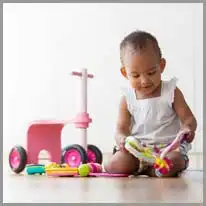
玩
孩子更喜欢独自玩。
Wán
hái zǐ gēng xǐhuān dúzì wán.
jouer
L’enfant préfère jouer seul.
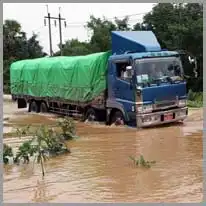
通过
水太高了; 卡车不能通过。
Tōngguò
shuǐ tài gāole; kǎchē bùnéng tōngguò.
passer
L’eau était trop haute; le camion n’a pas pu passer.

惩罚
她惩罚了她的女儿。
Chéngfá
tā chéngfále tā de nǚ‘ér.
punir
Elle a puni sa fille.

回家
他下班后回家。
Huí jiā
tā xiàbān hòu huí jiā.
rentrer
Il rentre chez lui après le travail.